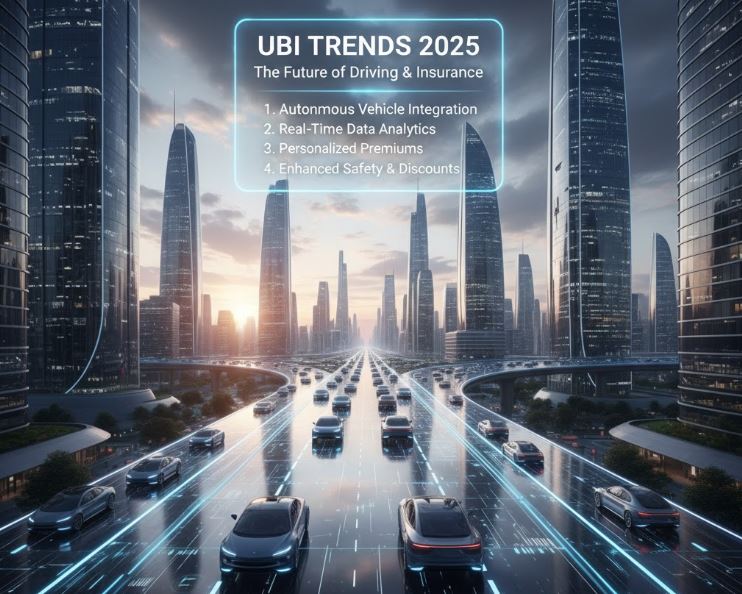
Usage-Based Insurance: The car insurance world’s changing fast – Usage-Based Insurance sits right in the middle of it all. Thanks to smart vehicles, tracking tech, phone apps, and artificial intelligence that checks risk, companies now ditch old-school rates in favor of prices shaped by how you drive. By 2027, UBI is expected to shake up the market significantly, offering everyday drivers customized costs based on their actual driving habits rather than estimates.
If you drive carefully and want to save money – or if you’re an insurance provider curious about new shifts—this breakdown covers key UBI changes coming in 2026, what’s behind them, along with their real-world impact.
What Is Usage-Based Insurance (UBI)?
UBI’s a type of car insurance that charges you by how you drive, what time you’re on the road, and how far you go. Rather than just looking at your age, area, or sex, companies pull live info through gadgets or phone apps to better guess your risk level.
UBI typically includes:
- Pay-As-You-Drive works by charging you depending on how many miles you go
- Pay-As-You-Go car insurance—tied directly to how you drive
- Pay-Per-Mile—works best if you drive now and then
- Smart Driving Score Programs
Data gets gathered mostly by using:
- Smartphone apps
- Plug-in OBD-II devices
- Built-in vehicle telematics (Tesla, Rivian, GM, Ford)
- Connected car platforms
- GPS tracking
This change means insurance companies can give good drivers better deals, since fewer accidents happen. While that cuts down on payouts, it also helps keep premiums lower overall.

Top Usage-Based Insurance Trends for 2026
1. AI-Powered Driver Scoring
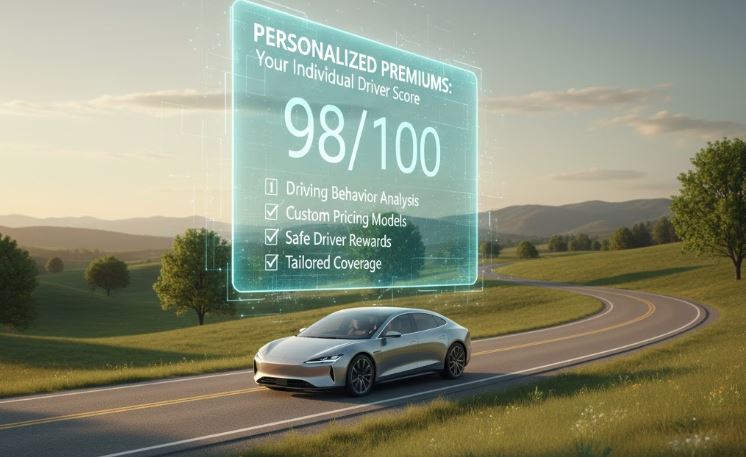
In 2026, AI will help study how people drive. Instead of guessing, systems spot hard stops, fast starts, sharp turns, high speeds, phone handling, or late-night trips—building clearer pictures of danger. Because of this info, insurance costs shift every month. These updates come from real habits, not old averages.
2. OEM-Integrated Telematics (Tesla, Rivian, Toyota, BMW)
Car makers are starting to team up with insurance firms so they can share driving info straight from the car. Instead of needing extra gadgets, today’s cars beam speed and habits right to coverage providers. Come 2026, over six out of ten brand-new autos will already have tracking tech on board.
3. Rise of Pay-Per-Mile Insurance
Folks working from home or splitting time between the office and house are hitting the road way less often. Because of that, pay-as-you-drive insurance is blowing up—perfect for those putting in fewer than 7k miles yearly.
4. UBI Adoption for Commercial Fleets
andRide-share drivers and delivery vans—also company trucks—are turning to usage-based insurance to handle risks better. Managers get live updates through dashboards that track where vehicles go, how safely they’re driven, plus their mechanical status.
5. Smartphone-Based UBI Expansion
Insurance apps are starting to use smart sensors that catch distracted drivers. By 2026, spotting phone use while driving becomes a big priority—since it’s one of the most dangerous habits on the road.
6. Personalized Monthly Premium Adjustments
With pay-as-you-go plans, insurers tweak rates every month instead of once a year. That way, careful drivers see lower bills right away.
7. Gamification and Rewards
Insurers gamify safe driving with:
- Monthly scorecards
- Rewards points
- Gift cards
- Fewer fees when you hit goals
Gamification gets more people involved while seriously boosting how they drive.
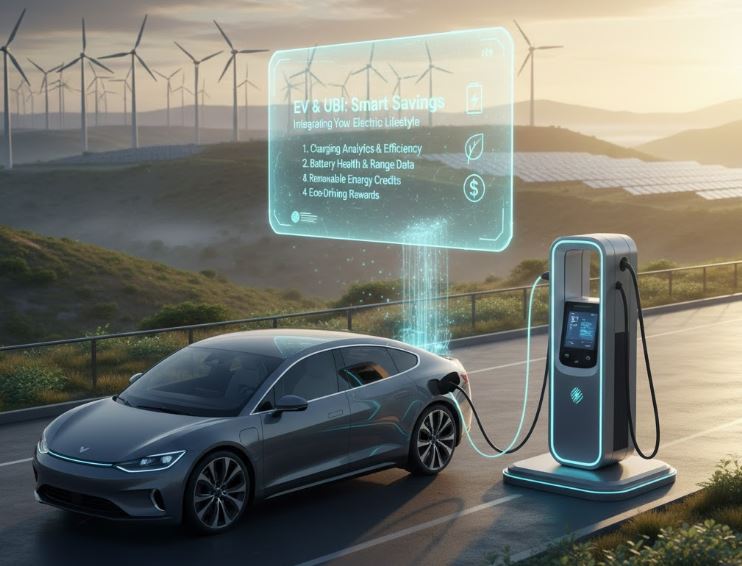
8. EV-Based UBI Programs
EV owners can tap into custom insurance plans tracking energy recovery, battery condition, plus how they actually drive. Meanwhile, Tesla’s launching fresh versions, and so are Lucid and Rivian—each rolling out next-gen rides.
9. Increased Regulatory Oversight
Since UBI gathers personal info, by 2026, new rules will pop up—tighter control on how data’s stored, who sees it, or when tracking stops. The government steps in because trust becomes shaky if details leak out through careless handling.
Pros & Cons of Usage-Based Insurance in 2026
Pros
1. Fair and Personalized Pricing
People pay based on their driving habits rather than personal details.
2. Cheaper Rates for Safe and Low-Mileage Drivers
UBI could cut expenses by as much as 40% – how much you drive plays a big role.
3. Improves Driving Habits
Apps offer feedback, so folks can drive safer.
4. Transparent Risk Assessment
Buyers get why prices are set a certain way—this makes the amounts simpler to follow because they reveal what’s really going on behind them.
5. Ideal for Remote Workers
Fewer miles mean faster savings.
Cons
1. Data Privacy Concerns
Some folks hold back on revealing their trip logs or past routes – sharing that stuff seems too private.
2. Not Suitable for High-Mileage Drivers
Folks driving might wind up spending more dough.
3. Requires a Smartphone or Telematics Hardware
Some people who drive aren’t into being watched all the time.
4. Premiums Can Fluctuate Monthly
Folks sometimes stress over shifting costs now or later.
5. Phone-Usage Tracking Can Penalize Drivers
Just a small change in your grip could throw it off.
How Drivers Can Benefit From UBI in 2026
Save more with these tips:
- Maintain a solid driving rating
- Steer clear of sudden stops or speeding up quickly
- Limit nighttime driving
- Limit how much you use your phone
- If your machine’s maker includes tracking tools, go ahead – use them
- Compare multiple UBI programs before enrolling
Popular pay-per-mile car insurance options are: Progressive Snapshot, then Allstate Drivewise, followed by GEICO DriveEasy, Liberty Mutual ByMile, Nationwide SmartRide, and State Farm’s Drive Safe & Save.
Conclusion
Usage-based insurance isn’t coming – already here. Right now, in 2026, these programs are changing how people who drive connect with companies that offer coverage, along with shifting price setups. Thanks to smarter software, data from electric cars plugging into tracking tools, or plans where you pay by each mile driven, this type of insurance gives clearer info, fits individual habits better, and saves cash more than earlier versions ever did. Safe drivers, people working from home, or those comfortable with tech can save on car insurance through UBI—this also helps make roads safer. With better rules and smarter tracking, UBI’s likely to stay a big deal in auto coverage.
FAQs
1. What is the biggest UBI trend in 2026?
Fleet tracking tools plus smart algorithms are changing how insurers judge driving lately—car makers now plug these systems right into new vehicles.
2. Can UBI really lower my insurance rates?
Yep. Good drivers usually pay 20–40% less than regular plans.
3. Does UBI track my location?
Some apps still do that – though most today just monitor how you drive instead of where you go. Have a look at what your insurance company says about data use.
4. Is UBI good for high-mileage drivers?
It depends. Those who drive a lot might end up paying more with per-mile pricing.
5. Are EVs eligible for UBI?
Fine. Usage-based plans for electric cars are popping up – especially aimed at folks driving Teslas, or maybe Rivians, even some Lucid models now and then.