Mental Health Insurance Benefits: In a world that never slows down, looking after your mind matters just as much as taking care of your body. Yet worry, sadness, pressure, past pain, or feeling completely drained hit countless folks each year. With more people recognizing this, there’s a rising demand for coverage that makes therapy practical—without breaking the bank or endless waits. This guide breaks down mental health coverage—how it functions, what’s included, the upsides along with downsides, plus answers to frequent questions, helping you choose wisely for you or your loved ones.
What Is Mental Health Insurance?
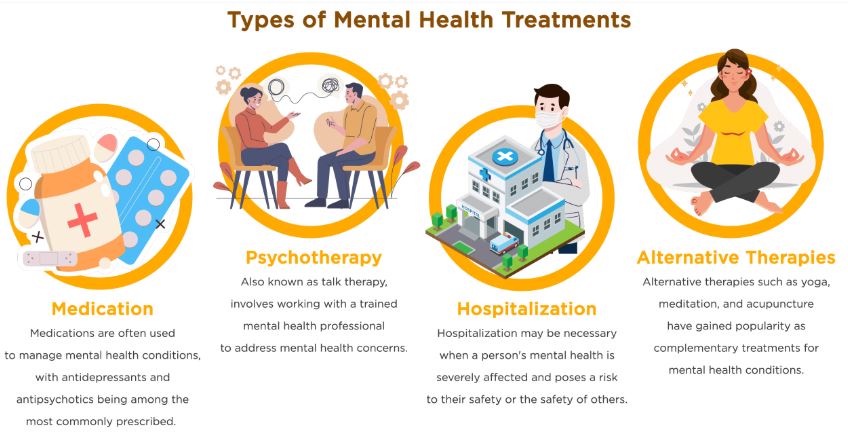
Mental health coverage gives help for emotional struggles, care sessions with therapists, advice from counselors, treatments by psychiatrists, meds you need to take regularly, and also aid if dealing with addiction issues.
Thanks to U.S. rules like the Mental Health Parity and Addiction Equity Act plus the Affordable Care Act, insurers have to cover mental care just like they do medical care.
This means:
- No strict caps on counseling visits
- No extra fees when you see a therapist—just like any doctor visit
- Same level of support for mental wellness and body care

Key Mental Health Insurance Benefits
1. Therapy & Counseling
Covers face-to-face visits or online therapy—like video calls—for:
- Anxiety
- Depression
- Marriage/family problems
- Trauma
- PTSD
- Behavioral issues
2. Psychiatric Care
Visits involve talking to mental health doctors, getting checked out, and also handling prescriptions.
3. Prescription Medication Coverage
Insurance cuts down how much you pay for drugs that help with depression while also covering meds for mood swings or mental health issues.
4. Substance Abuse Treatment
Covers:
- Rehab
- Detox programs
- Outpatient recovery
- Therapy that changes habits when someone’s hooked on something
5. Emergency Mental Health Services
Involves hospital treatment when someone is feeling extremely low, having a mental health emergency, or going through a tough crisis moment.
6. Preventive Care
These days, lots of insurance options include ongoing counseling—not just for crises, but to head off bigger issues down the road

Pros & Cons of Mental Health Insurance Benefits
Pros
1. Affordable Access to Therapy
Therapy might run you 100 to 250 bucks a visit if you’re paying out of pocket. With coverage, though, it could drop down to just ten or forty dollars—it depends on what your policy covers.
2. Coverage for Medications
Most mental health drugs cost a lot. But with coverage, they’re way cheaper.
3. Prevents Long-Term Health Issues
Folks who ignore mental struggles might end up dealing with body problems—say, a shaky heartbeat, trouble sleeping, or constant tension. Getting help early? That’s where insurance steps in.
4. Includes Addiction Support
Covers rehab, detox, also substance abuse therapy—costs add up fast if you’re paying out of pocket.
5. Telehealth Options
Fewer programs today offer web-based counseling—so getting help feels easier and more personal.
Cons
1. Limited Therapist Availability
Some services could have big delays – or they might skip your coverage altogether.
2. Pre-authorization Requirements
Some plans need sign-off prior to visiting a shrink or expert.
3. Out-of-Network Costs
If your go-to counselor is outside the network, you might pay more.
4. Session Limits
Even when rules stop unfair limits, certain policies cap how many visits they’ll pay for.
5. High Deductibles
Some Marketplace or job-based plans might make you pay a set amount first—only then does coverage kick in.
Why Mental Health Insurance Matters
Mental health support isn’t a luxury anymore—it’s necessary. Coverage lets folks get help through benefits that actually work
- Handle tension but stay calm
- Recover from emotional or traumatic events
- Better connections plus a happier daily life
- Understand behavioral patterns
- Stop lasting mental problems
A healthy mind boosts how well you work, helps you pay attention better, and also lifts your everyday experience. Coverage opens doors to care while keeping costs from piling up.
Conclusion
Mental health insurance benefits give people cheaper options for counseling, doctor visits, and prescriptions, and also help with substance abuse. Sure, there can be issues like a few providers nearby or limits on appointments, yet the pros still beat the cons by far. If you’re dealing with stress or sadness—or someone close to you is—good insurance might make a big difference. Look into what plans are available and see how they differ so you can pick one that fits your mood, care needs, plus future mental health goals.
FAQs
1. What does mental health insurance typically cover?
Answer: Most plans include therapy sessions, along with counseling support. They also pay for psychiatrist appointments—sometimes even meds tied to mental wellness. Substance abuse help is usually part of it, while emergency care during emotional crises tends to be covered, too.
2. Does my insurance have to cover therapy sessions?
Answer: Yep. Because of the ACA and MHPAEA rules, insurance plans have to cover mental care just like they do medical care—no less, no more.
3. How many therapy sessions does insurance pay for?
Answer: This varies by plan – some include endless visits, whereas others give you between 12 and 60 yearly. Check if virtual appointments count too.
4. Are online therapy services covered by insurance?
Answer: Yep. A lot of insurance plans include online therapy these days—sometimes cheaper than office visits.
5. Can I get mental health insurance without employer coverage?
Answer: Yeah, sure thing. Either grab a plan through the ACA Marketplace—or go with Medicaid if you qualify—maybe even check out private options offering solid mental health coverage.