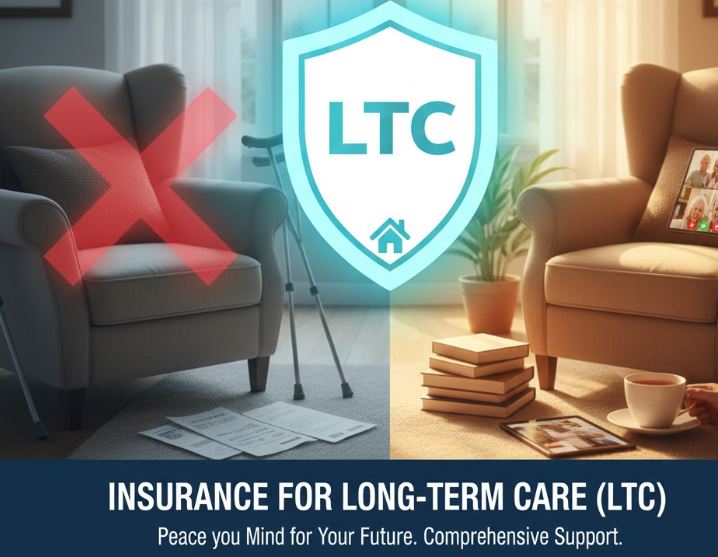
Insurance for Long-Term Care (LTC): Folks are living longer, so getting help later in life is now a big money worry for many households. A lot of people will eventually need support doing everyday things—like showering, getting dressed, moving around, or managing memory issues. With prices rising fast for nursing facilities, assisted living, in-home care, and expert medical attention, LTC insurance plays a key role in shielding nest eggs while helping folks get decent treatment.
This guide breaks down what LTC insurance includes, how it functions, and who should get it—because by 2026, more older folks, helpers at home, or anyone planning are seeing it as a must-have for later life care.
What Is Long-Term Care (LTC) Insurance?
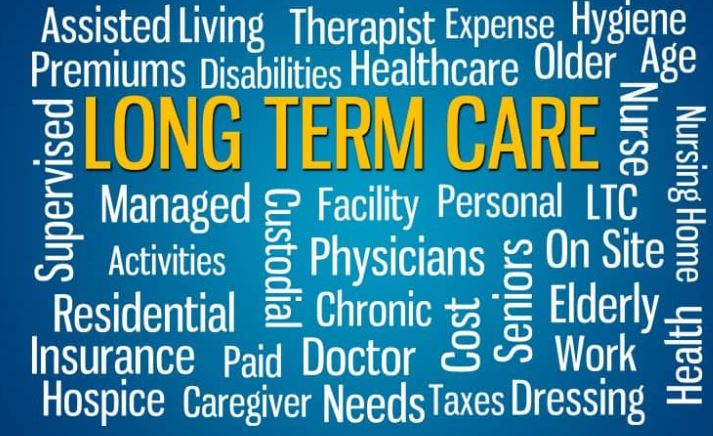
Long-term care insurance helps pay for support when someone deals with a lasting illness, old age, trouble moving around, or memory issues like Alzheimer’s or similar conditions. This kind of plan takes care of needs that regular health plans—or government aid—usually leave out, especially personal daily help you need over time.
LTC insurance helps pay for:
- In-home care
- Assisted living facilities
- Skilled nursing care
- Memory care units
- Adult daycare services
- Hospice care
The aim? Keep your money steady while getting good healthcare—without wiping out savings or stressing loved ones.
How Long-Term Care Insurance Works
LTC coverage kicks in if someone can’t handle at least two daily tasks – like bathing or dressing—on their own
- Bathing
- Dressing
- Eating
- Toileting
- Transferring
- Continence
It kicks in if someone’s found to have trouble thinking clearly enough to live safely alone. After qualifying, the insurance covers accepted care costs up to a set amount each day or month, sometimes lasting several fixed years, though certain plans keep going indefinitely.
Why LTC Insurance Matters in 2026
Fees for long-term help keep going up—thanks to higher prices, not enough workers, and also more older folks needing support. Right now, yearly bills in lots of places go past:
- $55,000 pays for help with daily life in a care home
- $100,000 or more goes to nursing homes
- $65,000 to $90,000 if you need help at home
Without LTC coverage, people usually fall back on their own cash, help from relatives, or Medicaid—once they’ve used up what they had.
LTC insurance offers:
- Financial security
- Independence and dignity
- Pick where you feel most comfortable getting help
- Relief for caregivers
- Shield against surprise costs down the road
As aging populations grow globally, LTC insurance is becoming a smart retirement planning strategy.
Pros and Cons of Long-Term Care Insurance
Pros
1. Protects retirement savings
Covers costly extended care expenses—keeps your savings safe at the same time.
2. Gives you power to choose how care works
Pick home care, assisted living, or a nursing facility, depending on what works for you.
3. Reduces family burden
Loved ones feel lighter on their minds, wallets, or bodies.
4. Frees your head about what’s coming next
You know help’s there when things get tough—whenever that moment hits.
5. Tax benefits available
Some premiums let you save on taxes or work with a health savings plan.
Cons
1. Premiums might cost a lot
Prices go up when you’re older, also if you have health issues, or need more coverage.
2. Premium hikes could happen
Insurance companies might change prices as time goes by.
3. Some folks get turned down
Some health issues might affect your qualification.
4. Policies might seem tricky
Folks buying for the first time might get puzzled—lots of choices, extras, or payout setups can mix things up.
5. Some plans give only small perks. Cheaper options might miss some bills where prices jump fast.

Types of Long-Term Care Insurance
1. Traditional LTC Insurance
A single plan giving solid support for ongoing care needs—options on how long benefits last and set amounts per day, and it also includes help if costs go up over time.
2. Hybrid Life + LTC Insurance
Blends long-term care coverage with life insurance. In case those care funds go unused, what’s left turns into a payout for loved ones.
3. Short-Term Care Insurance
Offers protection lasting half a year to a full year for people who are past typical age limits or aren’t eligible for extended plans.
Who Needs Long-Term Care Insurance?
LTC insurance is ideal for:
- People between 40 and 65 who are getting ready to stop working
- People who have relatives with Alzheimer’s or long-term health issues
- People who own homes want to keep their money safe
- Well-paid folks looking to skip Medicaid
- Caregivers looking for steady plans
- People who crave freedom when they’re older
The sooner you buy, the less you pay—also, choices improve.
Conclusion
Long-Term Care (LTC) Insurance fits naturally into a solid retirement setup. With medical expenses going up while more people get older, this coverage helps keep your money steady, lets you stay in control, and yet still gives support if tough health times come around.
If you’re looking to safeguard what you’ve saved, ease stress for loved ones, or just keep things dignified as you age, long-term care coverage puts you in charge. Putting something aside now leads to fewer bumps down the road.

FAQ
1. Is long-term care insurance worth it?
Yes. LTC coverage keeps your cash safe from steep ongoing care bills and also lets you pick how you’re looked after.
2. At what age is it best to buy LTC insurance?
The ideal window falls from 45 to 60—costs tend to be cheaper by then, while getting approved also becomes simpler.
3. Does Medicare cover long-term care?
No—Medicare handles brief rehab stints but skips long-term personal help.
4. What if I never use my LTC benefits?
Hybrid plans give leftover coverage to loved ones through a death benefit. While using less means more goes back home later on instead.
5. How much does LTC insurance cost?
Premiums change based on age, health, or coverage—anywhere from $1,500 up to $4,000 yearly. Though costs differ, most fall within that span due to personal factors like medical history, how old you are, and what kind of plan you pick.