HMO vs PPO Insurance Guide
HMO vs PPO Insurance Guide: Selecting the right health insurance plan can be a challenging task. Everyone wants a plan that covers their needs without paying any type of expense during the process. Two main types of plans for health are HMO (Health Maintenance Organization) and PPO (Preferred Provider Organization). Both are different from each other and can help make an option that is suitable for the customer’s situation and budget.

Key Takeaways
HMOs and PPOs differ in important ways, including how they handle payments, referrals, and doctors.
· Evaluate your requirements: Think about how frequently you visit the doctor and if you require the services of specialists.
· Verify the provider network: Research the hospitals and doctors that are part of each plan’s network.
·Evaluate plans by comparing monthly premiums, deductibles, copays, and maximum out-of-pocket expenses.
·Cost-benefit analysis: HMOs offer cheaper expenses with restrictions, while PPOs offer greater freedom at a higher cost. Choose the plan that best suits your needs.
Health Insurance Basics
Despite its complexity, health insurance serves to safeguard policyholders against unexpectedly significant medical expenditures.
Managed Care Plans: The majority of HMOs and PPOs fall under this category. By combining services, they hope to keep healthcare expenses under control while also improving care quality. For example, you may need to select a primary care doctor (PCP) to help guide your treatment. Managed care plans frequently stress preventative treatment, such as regular check-ups, in order to identify problems early and save on higher expenses later. In a nutshell, managed care is about providing smarter, more coordinated care that helps you stay healthy while saving money.
Provider Networks: A network is a collection of doctors, hospitals, and other providers who have agreed to accept your insurance. Each package includes its own network. When you visit an in-network doctor, the plan has negotiated a price for your treatment, which typically results in cheaper expenses for you. If you see an out-of-network doctor, you will most likely pay extra or have no coverage (unless in an emergency). When selecting a plan, review the network list to ensure that your preferred doctors and neighboring hospitals are included. A wider, higher-quality network can make your healthcare experience more convenient and economical.
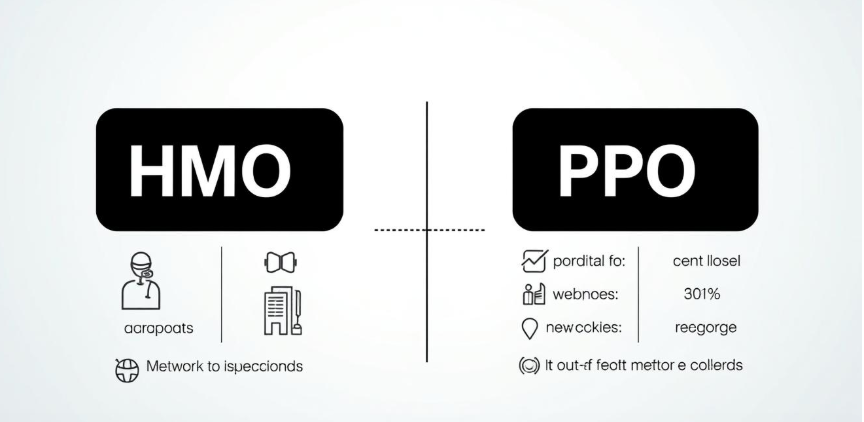
What is an HMO Health Plan?
An HMO (Health Maintenance Organization) focuses on coordinated care within a specific network of providers. HMOs are designed to provide comprehensive care while keeping costs down.
· Network Restrictions: With an HMO, you generally must use doctors and hospitals that are in the plan’s network. If you go outside the network, it usually won’t be covered (unless it’s an emergency). This means you have less choice, but it helps the plan negotiate lower rates and keeps your costs predictable.
· Preventive Care: HMOs love preventive care. They encourage you to get routine check-ups, screenings, and vaccines. By covering these services, HMOs aim to keep you healthy and catch any issues early.
· Cost Control: Because HMOs limit providers and emphasize prevention, they often have lower premiums and out-of-pocket costs. This setup helps keep healthcare spending (for both you and the insurer) under control.
The Primary Care Physician (PCP) Requirement
In an HMO, you usually choose a Primary Care Physician (PCP). This doctor is your main contact for medical care. Think of your PCP as a healthcare coach who knows your health history.
· Gatekeeper Role: Your PCP will handle most of your routine care. If you need to see a specialist, your PCP will give you a referral. This helps ensure you see the right specialist for your condition.
· Coordinated Care: By having one doctor coordinate your care, your PCP can catch things early, avoid unnecessary tests, and make sure your different healthcare needs fit together smoothly.
“Your primary care doctor is like the captain of your health team — they help guide you through the system and make sure you get the right care at the right time.” – A Health Insurance Expert
Coordination of Care Benefits
An HMO’s coordinated approach offers several benefits:
· Comprehensive Care: Your PCP looks at your whole health picture, coordinating any care you need.
· Lower Costs: With most care happening in-network and a focus on prevention, your bills can stay lower.
· Better Outcomes: By catching issues early and managing care closely, HMOs aim to keep you healthier in the long run.
Understanding these features can help you decide if an HMO fits your style of care.
What is a PPO Health Plan?
A PPO (Preferred Provider Organization) plan allows you more discretion in selecting your healthcare providers. It still has a network of approved providers, but it is far more adaptable than an HMO.
· PPO Network: PPOs have a network of doctors and hospitals that provide lower prices to members. If you stay within this network, your costs will be lower.
· Freedom to Choose: You can see any doctor you want, anytime, without a referral. You are not confined to your network; however, going out of network will cost more. This flexibility is the primary benefit of a PPO.
· Balance of Cost and Flexibility: PPOs offer greater flexibility but higher monthly rates. However, if you value flexibility and want the ability to see specialists directly, a PPO may be worth the additional expense.
Important Points of PPOs
·Wide Network with Discounts: PPOs have a large network of recommended providers who agree to minimize prices. You can save money by staying in-network.
·No Referrals Needed: You do not need a recommendation from your main doctor to see a specialist. You can make your own appointments.
·Out-of-Network Coverage: PPOs do cover out-of-network care, albeit at a greater cost. This means you can go to any doctor, anywhere, but you will pay more if they are not in-network.
Flexibility in Provider Choice
A PPO offers a significant advantage in terms of choice. You can see any doctor you want, whether it’s a general care physician, a specialist, or a hospital, without having to go through any hoops.
For example, if you have a favorite dermatologist or hospital that you trust, a PPO allows you to continue seeing them even if they are not in the plan’s network. This is ideal for folks who see numerous specialists or prefer more control over their healthcare decisions.
Self-Directed Care Advantages
With a PPO, you manage your own care more actively:
· No Gatekeepers: You do not need to see your main doctor first. If your knee hurts, you can contact an orthopedic surgeon directly.
· Control Over Care: Some folks prefer the hands-on approach. It can save time and help you feel more in control of your health.
· Ideal for Complex Needs: If you have a complex disease that necessitates visiting multiple specialists, a PPO can make scheduling and referrals easier because you do not need a doctor’s approval to see specialists.
HMO vs PPO: Core Differences
To decide between an HMO and a PPO, look at these core differences:
Network Structure
· HMO: You must use doctors and hospitals in the HMO’s network (except emergencies). This network is usually smaller, so you need to stay inside it to get coverage.
·PPO: You have a larger network and also the option to go out-of-network. Going out-of-network will cost more, but you do have that option for more freedom.
Referrals to Specialists
· HMO: You generally need a referral from your PCP to see a specialist. This means your PCP acts as a gatekeeper to manage your care. It can help control costs and avoid unnecessary specialist visits.
·PPO: No referrals needed. You can see any specialist anytime. This adds convenience, but it might tempt people to skip primary care, which could affect continuity of care.
Out-of-Network Coverage
·HMO: Typically, HMO plans do not pay for out-of-network care (again, except emergencies). If you want coverage, you must stay inside the network.
·PPO: PPO plans do cover out-of-network care, but at a lower rate. For example, the plan might cover 60-70% of the cost out-of-network (versus 80-90% in-network). This makes a PPO more flexible if you travel or see providers outside the main network.
Understanding these differences can help you pick the right plan for your lifestyle.
Cost Comparison: Premiums and Deductibles
When deciding on a plan, consider how much you’ll pay in premiums (the monthly cost of the insurance) and deductibles (what you pay out-of-pocket before insurance kicks in).
Typical HMO Cost Structure
·Lower Premiums: HMOs usually charge lower monthly premiums than PPOs. This is because you’re agreeing to stay in-network, which lowers costs for the insurer. For example, individual HMO premiums might range around $400 to $600 per month (depending on where you live and the specific plan).
·Lower Deductibles: Many HMO plans have lower deductibles, or even no deductible for in-network care. This makes doctor visits and treatments more affordable during the year. Lower deductibles benefit people who need frequent care, like those with chronic health issues.
·Predictable Costs: HMOs often have fixed copays (e.g., $20 per doctor visit), so you know what you’ll pay each time, which helps with budgeting.
Typical PPO Cost Structure
·Higher Premiums: PPO premiums are typically 10-30% higher than comparable HMOs. Individual PPO rates can range from $500 to $800 per month, depending on the plan and area.
·Higher Deductibles: PPOs typically have higher deductibles. You may have to spend more out of pocket before your insurance kicks in.
·Potential for Higher Out-of-Pocket: Because you can go out of network, you may wind up paying more in total. However, the flexibility can be beneficial if you need to see specialists or travel.
Which Plan Offers Better Value? The best value depends on your situation?
If you prefer lower costs: An HMO might be better. Its premiums and copays are typically lower, and the expenditures are more predictable. You receive full care as long as you remain within the network.
· If you need flexibility: A PPO may be worth the extra expense. You pay extra, but you can see any provider, at any time. This is useful if you have favorite providers outside of the network or want to see a variety of experts.
Think about your health needs: If you rarely visit doctors, an HMO’s savings could be great. If you or a family member needs specialist care often, the flexibility of a PPO might pay off.
Copayments and Out-of-Pocket Expenses
Beyond premiums and deductibles, look at copays, coinsurance, and out-of-pocket maximums:
· Copayment (Copay): A fixed fee for a service, such as $20 for a doctor’s appointment.
· Coinsurance: A percentage of what you pay for a service (for example, 20% of the cost, 80% paid by insurance).
· Out-of-Pocket Maximum The maximum amount you will pay in a year. After you exceed this limit, the plan will cover all qualified charges.
HMO Copayment Structure
· Doctor Visits: HMOs often have easy copays. For example, a visit to your primary care physician may cost $10-$30, with a somewhat larger copay for a specialist.
· Referrals: Remember that you normally require a PCP referral to see a specialist; otherwise, the specialist appointment may not be covered.
· Predictability: These fixed copays make it easier to determine how much to pay each time you use services.
PPO Copayments and Coinsurance
· In-Network Visits: PPOs frequently require copays or coinsurance from in-network doctors and hospitals. You may have to pay a copay for a PCP appointment and a higher payment (or coinsurance) for a specialist.
· Out-of-Network Visits: If you go outside the network, you often pay a percentage of the costs (coinsurance) rather than a flat copay. This can get expensive—sometimes you pay 40–50% of the bill, depending on your plan.
· Flexibility vs Cost: The freedom to see any doctor comes at the price of these higher out-of-pocket costs. Staying in-network keeps costs down.
Annual Maximum Out-of-Pocket Limits
Both HMO and PPO plans have an annual out-of-pocket maximum. This is a safety net. Once you pay this much in a year (through deductibles, copays, and coinsurance), the insurance pays 100% of covered services. It protects you from catastrophic costs. Make sure you check this limit when comparing plans — it can be especially important if you need a lot of care.
Understanding these cost details helps you anticipate how much you might spend in a year and choose wisely.
Prescription Drug Coverage Differences
Prescription drugs are another area where HMOs and PPOs differ. Both types of plans usually include drug coverage, but the details can vary.
HMO Prescription Benefits
· Formulary Lists: HMOs often use a strict formulary, which is a list of covered medications. They usually encourage (or require) you to use generic or preferred brand-name drugs to keep costs down.
· Drug Tiers: Drugs are typically grouped in tiers. Generics (Tier 1) have the lowest copay, preferred brands (Tier 2) cost more, and non-preferred brands (Tier 3) cost the most. If you want a non-preferred drug, you might pay a lot more out-of-pocket.
· Generic Emphasis: HMOs often steer you toward generics and may require extra approval (step therapy) for expensive brand-name or specialty drugs.
PPO Prescription Benefits
· More Flexibility: PPOs also use formularies with tiers, but they tend to be a bit more flexible. For example, some PPOs let you use out-of-network pharmacies (though usually at a higher cost).
· Broader Options: You might find more drugs covered or have a higher out-of-network drug benefit. But remember, sticking to generics and preferred drugs will keep your costs lower.
· Similar Structure: The basic idea is the same: drugs are tiered, and your copay or coinsurance depends on the tier. PPOs often just give you more leeway with where you fill prescriptions.
Formulary Considerations
When choosing a plan, look at the drug formulary closely:
· Covered Drugs: Ensure that your regular drugs are covered and at a low cost.
· Copays by Tier: Determine how much you would pay for generic versus brand-name.
· Mail-Order Options: Many plans offer discounted mail-order pharmacy services for long-term medications.
A good formula: HMO = restrictive list, cheaper generics; PPO = more selections, possibly more convenience, somewhat higher costs if you go out-of-network.
Specialist Care Access and Referrals
Getting to see specialists varies between HMO and PPO:
Navigating Specialist Care with an HMO
· Referral Needed: To see a specialist in an HMO, you usually need to get a referral from your primary care physician. For example, if you are having knee pain, you should see your primary care physician first. If necessary, your PCP will send you to an orthopedist in the network.
· Pros: This can be beneficial since your primary care physician coordinates care and can avoid unnecessary visits. It can also save you money by removing unneeded tests and specialists.
· Cons: It indicates further steps. If you wish to see a specialist right away, you should first consult your primary care physician. If you neglect this step, your HMO may not cover the expert.
Direct Specialist Access with PPOs
· No Referral Needed: With a PPO, you can typically schedule an appointment with any expert on your own. Are you considering going to a dermatologist? Go for it, as long as you choose an in-network provider to save money.
· Pros: This independence is ideal if you have a complex disease or simply do not want the inconvenience of referrals. It can save you time while also allowing you to select a trusted specialist.
· Cons: The negative is the cost. If you regularly see specialists, a PPO may result in greater overall expenses, particularly if some visits are out-of-network.
Impact on Quality and Continuity of Care
· HMO (Coordinated Care): Having a PCP who knows your history can improve the quality of care, especially for chronic conditions like diabetes or heart disease. Your PCP sees the big picture and makes
·
· PPO (Flexible Care): PPOs are ideal for persons who require flexibility or have exceptional needs. You can go directly to a specialist, which some patients prefer. The trade-off is less supervision from one doctor, which is OK if you are comfortable managing your own treatment.
· Consider what matters most: If you have a complicated health issue, an HMO’s coordinated approach may help keep things on track. If you value autonomy and have simple health demands, a PPO’s independence may be worthwhile.
· Real-World Scenarios: HMO vs PPO in Action
Let’s take a look at some examples to evaluate how HMOs and PPOs compare in real life.
Enrollment Periods and Switching Plans
When may you pick or switch between HMO and PPO?
· Open Enrollment: This happens once a year (often in the fall for many programs), and anyone can sign up or switch plans. It is time to review your plan, assess options, and make changes for the upcoming year.
· Qualifying Life Events: Outside of open enrollment, you can only change plans if you have a “qualifying life event.” Examples include getting married, having a baby, moving to a new location, or losing other insurance. These events kick off a special enrollment period in which you can choose a new plan.
· Transitioning Between Plans: When deciding between an HMO and a PPO, consider networks and pricing. For example, if you’re going from an HMO to a PPO, ensure sure your current providers are in the PPO’s network (otherwise expect higher fees). Consider any rate or copayment modifications.
Who Should Choose Each Plan Type?
No strategy is ideal for everyone. Here’s who may prefer each:
Ideal for HMO Coverage
HMOs often suit people who:
· Want Lower Premiums: You receive inexpensive monthly payments.
· Value Predictable Costs: Regular copays and primarily in-network care result in few surprises.
· Don’t Mind Coordination: You feel safe delegating treatment to a primary care physician.
· Use the Doctor Regularly: If you or your family members require continuing care, a managed approach can be effective.
Ideal for PPO Coverage
PPOs are often better for people who:
· Want Maximum Flexibility: You can see any doctor or expert without prior approval.
· Have Specific Doctors: If you already have favorite providers who may not be in a network, a PPO allows you to continue visiting them (at a greater cost).
· Need Frequent Specialist Visits: PPOs are advantageous for those who consult several specialists on a regular basis because they do not require referrals.· Are Willing to Pay More: Flexibility comes at a price. If your budget allows, PPO’s higher premiums may be worth the added flexibility.
Balancing Cost, Convenience, and Care Quality
When choosing, ask yourself:
· Budget: Can you pay a greater cost for additional options? Or would you like to save through an HMO?
· Healthcare Use: Will you see specialists frequently, or will you largely see your primary care physician?
· Provider Loyalty: Do you want to continue seeing your existing doctor if they are out of network?
· Convenience: Do you mind receiving references, or do you prefer booking specialists directly?
Thinking through these considerations can help you find the proper balance for your scenario.
Conclusion:
Choosing between an HMO and a PPO boils down to one key question: Which is more important to you: cheaper costs or more freedom?
·HMO: Provides an organized and cost-effective method. Staying in-network and adhering to the plan’s coordination restrictions will result in reduced premiums and more predictable copays. This is ideal if you want to have a single doctor manage your treatment and do not require frequent out-of-network specialist visits.·
.PPO: Provides freedom and choice. You can see any doctor, anytime, without a referral. You’ll pay higher premiums and potentially more out-of-pocket expenses, but you’ll have peace of mind knowing you’re not restricted to a network.
FAQs
Q: What’s the major distinction between HMO and PPO health plans?
A: The key distinction is flexibility. HMOs require you to choose a primary care doctor and stay inside the network for treatment (unless in emergencies). PPOs allow you to see any doctor, in-network or out-of-network, without a referral; however, out-of-network care costs extra.
Q: How do copayments and out-of-pocket costs change between HMO and PPO plans?
A: HMOs normally charge basic, fixed copays for in-network visits and need referrals to specialists. PPOs charge copays for in-network visits, but they frequently utilize coinsurance (a percentage) for out-of-network care. Both types have a yearly maximum out-of-pocket limit, although PPOs may be higher because out-of-network services cost more.
Q: Can I switch between an HMO and a PPO plan during the year?
A: Generally, no. You can only change plans during the annual open enrollment season or if you qualify for a special enrollment period (due to marriage, relocation, having a child, losing other coverage, etc.). Outside of these moments, you’re usually committed to your plan.
Q: How do HMO and PPO policies pay prescription drugs?
A: Both plans employ a formulary. HMOs frequently have stricter formularies and promote generics to save money. PPOs typically provide for greater flexibility, such as using out-of-network pharmacies (at a higher cost). In both circumstances, generics are the cheapest, while brand-name medications vary in price depending on their tier.
Q: What are the benefits of choosing a primary care physician under an HMO plan?
A: In an HMO, having a primary care physician means that your care is coordinated. Your primary care physician (PCP) is familiar with your medical history, can handle preventive treatment, and will only send you to specialists when necessary. This can result in better overall care and lower costs because it eliminates unnecessary tests and keeps you in-network.
Q: Is there a benefit to selecting a PPO plan versus an HMO?
A: Yes. A PPO allows you to see any healthcare professional without requiring a referral. This flexibility is ideal if you wish to choose your own doctors or if you see a variety of specialists. PPOs also cover out-of-network visits (at a higher cost), which means more options if you travel or need to see a specific doctor.
Q: How do network constraints affect my healthcare choices under HMO and PPO plans?
A: With an HMO, you are primarily limited to in-network providers. Going out of network typically means no coverage (unless in emergencies). With a PPO, you can go out of network and still obtain coverage, but you’ll have to pay a higher part of the costs. So, an HMO restricts your options to help you save money, but a PPO allows you more freedom but at a higher expense.
Q: What variables should I consider while choosing between HMO and PPO health plans?
A: Consider your budget, how often you see doctors, and whether you have any preferred providers. If cheap costs and consistency are important, an HMO may be the best option. If you want flexibility and don’t mind paying more, try a PPO. Also, think about any upcoming health needs (such as planned surgery or having a baby) and how each plan might address them.