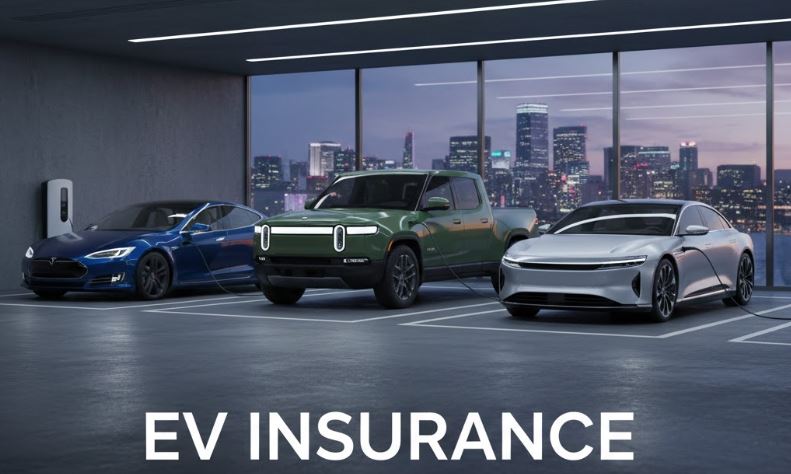
EV Insurance (Tesla, Rivian, Lucid) Cars powered by electricity—like ones made by Tesla, Rivian, or Lucid—are changing how we think about driving, thanks to smart features, strong power, and cleaner energy use. Still, folks who buy these vehicles often get a shock when their insurance bills come in steeper than regular fuel-burning models. That’s because tech-heavy parts, pricey fixes, and expensive battery packs add up fast on the insurer’s end.
This guide covers all the basics on insuring Tesla, Rivian, or Lucid cars—what happens next, ways to cut costs, and picking solid coverage that lasts. If you’re thinking about getting an electric vehicle or you’re already behind the wheel, knowing how insurance works helps you decide smartly without overspending.
Why EV Insurance Costs More (and Why It’s Worth It)
Fixing EVs needs specific skills plus tools—battery units, complex code, or custom parts make it tricky. Tesla‘s self-driving tech, Rivian’s rugged layout, or Lucid’s high-end features? All push repair bills up.
Key reasons EV insurance tends to be higher:
- Expensive battery modules
- Limited availability of EV-certified repair centers
- Fancy detectors plus lenses
- Fixing takes more time—it also requires setup.
- Top dollar on wheels
Still, electric car owners usually save money over time on upkeep while getting better safety tech—on top of doing less harm to the planet—that makes owning one feel worth it.
Insurance Overview by Brand
Tesla Insurance
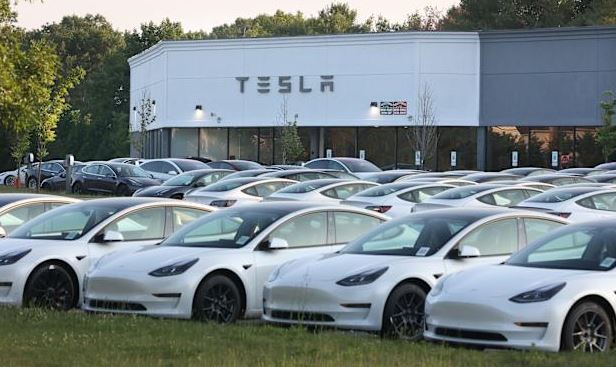
Tesla runs a custom insurance plan in some areas—rates shift based on how you actually drive. Their unique fixed network plus smart-driving tech tweaks the price. People who drive smoothly usually pay less each month.
Rivian Insurance
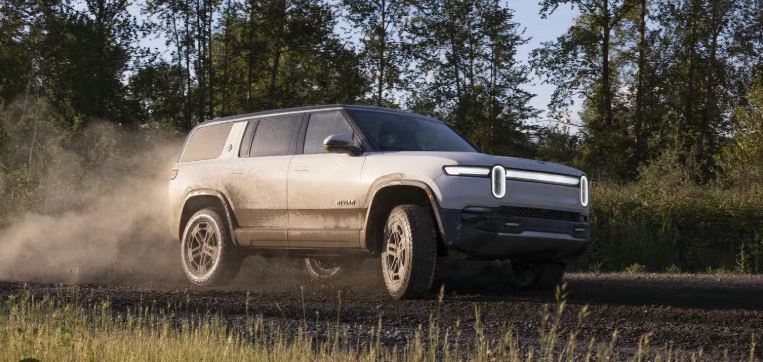
Rivian runs an insurance plan tailored for electric adventure rigs such as the R1T and R1S. Because tough frames plus advanced parts cost more to fix, rates go up—yet discounts pop up when you mix home and auto protection together.
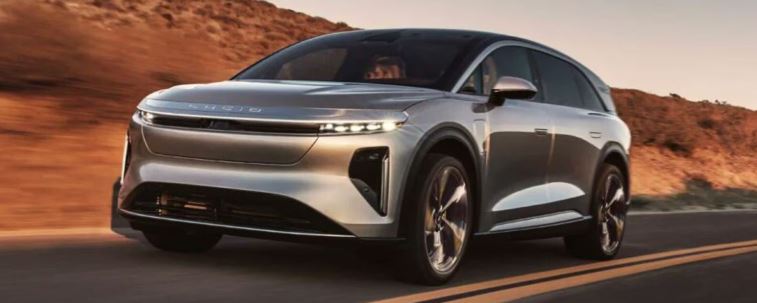
Lucid Insurance: Lucid’s fancy electric cars—take the Air, for example—tend to cost more to insure because they’ve got top-tier parts, strong engines, and maybe even smart tech inside. Companies see them as pricey, sporty rides, which means you’ll pay bigger monthly bills.
How to Get Cheap EV Insurance for Tesla, Rivian, and Lucid
No matter your electric car, solid ways cut costs: while some tricks save cash fast, others build savings slowly—yet each helps lower bills over time. Pick what fits your routine without hassle
- Check prices from no less than five different insurance providers
- Sign up for courses that teach safer driving habits, or check out insurance plans based on how you drive
- Raise your deductible to get smaller bills each month
- Bundle your EV coverage with a house or tenant policy—save cash while you’re at it
- Set up safety updates—this cuts down the chances of getting robbed
- Spotless proper record on the road
- Use brand-affiliated insurance (Tesla Insurance, Rivian Insurance) where available
Pros & Cons of EV Insurance for Tesla, Rivian, and Lucid
Pros
1. Advanced Safety Discounts
Electric cars usually come with safety tech that helps dodge crashes—this means cheaper insurance rates. Because these features cut risk, companies offer better deals.
2. Specialized Manufacturer Insurance
Tesla or Rivian? Both use real driving info to cut costs if you drive smart.
3. Lower Maintenance Costs
EVs skip oil changes or fuel troubles—so upkeep evens out over time.
4. Environmentally Friendly Ownership
More insurers now give breaks for eco-friendly cars.
5. High Resale Value
Luxury electric cars keep their worth better, so down the line, you might get easier loan terms or more insurance options.
Cons
1. Higher Repair Costs
Battery packs plus sensors raise fix costs. Cameras, along with aluminum frames, add up too.
2. Fewer Certified Repair Centers
Few EV repair shops mean longer waits plus higher costs.
3. Higher Premiums
Tesla, Rivian – also Lucid – cost more to cover compared to regular fuel vehicles.
4. Longer Repair Delays
Finding pieces—particularly for recent versions—might slow down fixing claims.
5. Higher Theft Risk (in Some Regions)
Some electric cars, especially specific Teslas, get picked more often in cities.
Conclusion
Folks who want coverage for a Tesla, Rivian, or Lucid need to know how battery tech, pricey fixes, and high-end parts shape what they’ll pay. Even if monthly bills run above average compared to gas cars, perks down the road—less upkeep, smart crash prevention tools, maybe even direct insurance deals from makers—end up balancing things out.
Check different prices, look into insurer brands, or try safe-driving apps—each helps lower what you pay. Skip waste, drive wisely, and get more back without hype. A smarter ride saves cash while helping the planet quietly.
FAQs
1. Why is insurance higher for EVs like Tesla, Rivian, and Lucid?
EV insurance is pricier since batteries cost a lot, fewer places can fix them, and high-tech sensors push up repair bills.
2. Is Tesla Insurance cheaper than regular insurance?
Frequently, yep—since Tesla Insurance tracks how you drive live, cautious folks end up paying less each month when stacked against regular car insurance options.
3. Are EVs more expensive to repair after accidents?
Yep. Electric car batteries make fixes pricier, while smart driving sensors add expense too – on top of special materials that aren’t cheap to swap out.
4. How can I reduce my EV insurance premium?
Look at several offers, bump up your deductible, combine coverages through one provider, or join a driving feedback program.
5. Which EV brand is the cheapest to insure?
Insurance costs differ depending on the car-yet folks often find the Tesla Model 3 cheaper to insure than others, mainly because of strong crash ratings. Meanwhile, the Rivian R1S sometimes offers better deals, thanks to broader coverage options and fewer claims history issues.