Climate Risk Insurance: Climate change is moving more quickly than we thought. As seas climb, storms hit harder, heat bakes longer, downpours flood faster, and fires spread wilder—homes and shops deal with fresh dangers every year. Old-style insurance usually skips climate damage completely, so people end up on the hook when money gets tight.
Climate risk insurance is now a key way to stay protected, especially against disasters linked to climate change. If you own a home, run a company, farm land, or put money into projects, knowing this type of coverage matters—so you can plan better ahead. Instead of guessing what might happen, it gives clearer options when things go wrong.
This full walkthrough explains what you should understand about climate risk insurance—what it covers and where it falls short—yet also shows why folks are seeing it as essential these days.
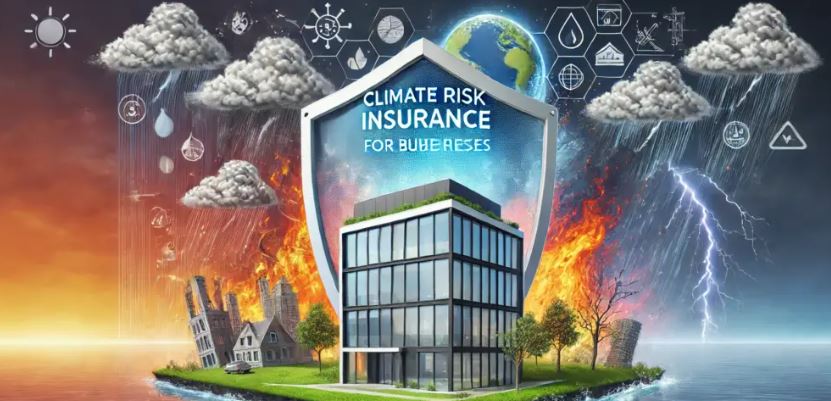
What Is Climate Risk Insurance?
Climate risk insurance is a specialized insurance product that provides financial protection against losses directly linked to climate change. These risks include:
- Floods
- Hurricanes
- Storm surges
- Droughts
- Wildfires
- Extreme rainfall
- Heatwaves
- Crop failures
Instead of old-school methods that depend on past patterns, climate risk coverage leans on forecasts from satellites, live weather stats, and simulations to judge danger more precisely when setting prices. This boosts its trustworthiness when handling harsh weather that’s hitting harder and more often—so you’re better covered when things get rough.
How Climate Risk Insurance Works
Climate risk insurance works in two main forms:
1. Indemnity-Based Coverage
This pays back people what they actually lost when something bad happens—like broken buildings, ruined harvests, or halted work.
2. Parametric (Index-Based) Coverage
A fresh version, quicker this time—payouts kick in by themselves once a set condition hits.
For example:
- If rainfall drops below a certain level
- If the wind gets too strong, things change
- If temperatures go above a certain point
- If a storm hits a certain level,
No need to wait around for checks. Plus, skip the long delays when filing claims. Parametric insurance gives quick, reliable payments – so folks like farmers or local leaders tend to favor it. While some startups also lean on this option, others stick to older models instead.
Why Climate Risk Insurance Matters in 2026
The number of climate-related disasters keeps going up. Because the planet’s getting hotter, storms and droughts hit harder – so old-school insurance doesn’t cover enough anymore. One solution could be climate risk coverage
- Money protection when things get shaky
- Calmness when storms hit
- Shielding those who are at risk
- Support for companies dealing with weather-related challenges
- Government or corporate readiness plans
Facing wilder weather, insurers alongside nations and worldwide groups boost spending on safeguarding the planet.

Pros and Cons of Climate Risk Insurance
Pros
1. Shielding against worsening weather crises
It looks at how things like floods, droughts, or wildfires happen more often because of climate change.
2. Faster payouts—particularly using parametric setups
Payouts usually show up in just a few days, not weeks or longer.
3. Lowers money worries for households—also helps companies stay steady
Speeds up recovery when storms hit. Though nature takes time, this cuts delays.
4. Boosts efforts to prepare for climate shifts
People with insurance might fix their homes better or more securely.
5. Open to various industries
People who own homes, folks working farms, local shops—also whole areas nearby—all gain when there’s protection around.
Cons
1. Premiums could cost more where risks are greater
Places hit by hurricanes yet facing floods or fires tend to have higher numbers.
2. Coverage differences might seem tricky at first
Some plans don’t include all weather dangers.
3. Parametric insurance might leave some losses unpaid
You get set payments—instead of being paid back for every dollar lost.
4. Some areas don’t offer this option often
Particularly where insurance options are limited, like in growing regions.
5. Weather forecasts might shift
Policies might change often when fresh info shows up.
Who Needs Climate Risk Insurance?
Climate risk insurance is essential for:
- Folks living where floods hit often, as well as areas at risk for wildfires
- Farmers hit by dry spells or sudden downpours
- Folks by the sea are daring to deal with big storms or flooding waves
- Supply-chain dependent companies
- Real estate investors
- Building work, along with big outdoor setups
- Folks who work for the city keep neighborhoods safe
If your house or workplace faces risks from nature, or if your paycheck relies on steady weather, this coverage gives key safeguards.

Conclusion
Climate risk insurance isn’t optional anymore—it’s essential for people dealing with climate dangers. Since wild weather is getting worse by 2026, this coverage brings steady finances, quick compensation, or lasting strength.
From shielding your house to saving harvests or keeping shops running, climate insurance gets you back on track quicker while cutting future damage. Thanks to sharper weather data and smart trigger-based systems, modern safeguards work better, respond sooner, and feel more trustworthy now than before.
In a world where the weather keeps changing unpredictably, climate risk coverage gives calm—knowing your tomorrow is protected. Instead of worrying, you stay ready, shielded from surprises that storms or droughts might bring.
FAQ
1. Is climate risk insurance worth it?
Absolutely. When your area faces climate risks—or if steady weather keeps your business running—this coverage might stop big money problems.
2. What does climate risk insurance usually cover?
It includes floods, plus hurricanes, alongside droughts; then storms, wildfires, and also heatwaves, crop issues – even some extra stuff. It all depends on your plan.
3. How is parametric climate insurance different?
Faster payouts happen right after climate data hits set levels—no need to check losses first because triggers work on their own.
4. Do homeowners need climate risk insurance if they already have home insurance?
Traditional home policies usually skip damage from weather changes. That’s where climate coverage steps in instead.
5. Is climate risk insurance expensive? Price changes depending on where you are and how much danger there is nearby. In risky spots, it’s pricier—yet the money shield matters a lot.