
The insurance industry is undergoing a major digital transformation, and at the center of this evolution are AI-based insurance providers. These companies use artificial intelligence to automate underwriting, predict risks, reduce fraud, and deliver hyper-personalized policies. From faster claims processing to data-driven premium adjustments, AI is reshaping how consumers shop for insurance online.
As people search for quicker, budget-friendly, and tech-powered solutions, AI-driven insurers are gaining popularity across platforms like Google, YouTube, and Instagram. Understanding what these providers offer can help customers make smarter insurance decisions.
What Are AI-Based Insurance Providers?
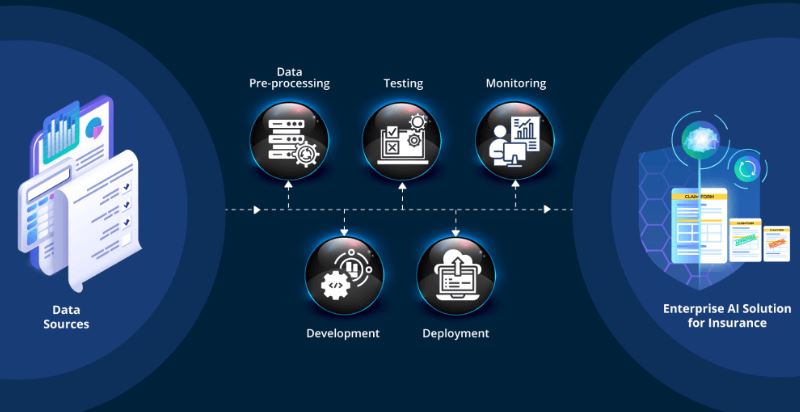
AI-based insurance providers are companies that use machine learning, automation, data analytics, and predictive modeling to offer improved insurance services. Instead of relying heavily on manual processes, these companies automate everything—from policy recommendations and underwriting to claims approvals.
Many providers operate as insurtech companies, combining insurance expertise with cutting-edge digital technologies.
AI is used to:
- Analyze customer data quickly
- Reduce paperwork
- Predict claims more accurately
- Automate customer service through chatbots
- Prevent fraud
- Ensure faster payouts
The result is a seamless, cost-effective, and more efficient insurance experience.

Pros and Cons of AI-Based Insurance Providers
Pros
1. Faster Claims Processing
AI automates claims approvals by verifying documents, assessing damages, and detecting fraud in minutes. This reduces human errors and speeds up the payout process.
2. Personalized Premiums
AI analyzes lifestyle patterns, driving data, medical history, and spending habits to create customized premiums. Customers pay based on behavior, not guesswork.
3. Better Customer Experience
AI chatbots and virtual agents offer 24/7 support, helping users file claims, check policy details, or compare plans instantly without waiting for a human agent.
4. Reduced Operational Costs
Automation minimizes administrative work. When costs drop, many AI-driven companies pass these savings on to customers through lower premiums.
5. Improved Risk Assessment
AI evaluates large data sets more accurately than traditional methods. This leads to fewer claim disputes and more predictable pricing structures.
6. Fraud Prevention
Machine learning identifies unusual activities, spots fake documents, and flags suspicious claims, helping insurers reduce fraud-related losses.
Cons
1. Lack of Human Touch
Some customers still prefer speaking to a human agent. Purely digital insurers may not offer the personal relationship or reassurance that traditional companies provide.
2. Data Privacy Concerns
AI relies heavily on personal information. If not handled properly, customer data may be vulnerable to cyberattacks.
3. Limited Availability
AI-based insurers often operate in selective regions. Coverage options may be limited depending on the country or state.
4. System Errors or Bias
AI predictions rely on algorithms and data patterns. Incorrect inputs or biases in the system may impact risk assessment and premium pricing.
5. Technology Dependence
When systems face technical glitches, customers can experience delays in claims processing or customer support.

Conclusion
AI-based insurance providers are shaping the future of the insurance industry. Their use of automation, predictive analytics, and digital tools makes the entire process— from underwriting to claims—faster, smarter, and more cost-efficient. While challenges like privacy concerns and limited human interaction exist, the benefits strongly outweigh the drawbacks.
As technology continues to evolve, AI-powered insurers will likely become the new standard, offering consumers a more transparent and user-friendly insurance experience. For businesses and individuals looking for convenience and speed, these providers are an excellent option.

FAQs
Q1: What are AI-based insurance providers?
A1: Companies using artificial intelligence to automate, maximize, and personalize insurance services are known as AI-based insurance companies. AI improves efficiency and lowers expenses by enabling quicker, more accurate customer service, risk assessment, underwriting, and claims processing, among other areas.
Q2: How does AI improve the insurance claims process?
A2: By automatically examining claim data, spotting fraud, and projecting claim outcomes, artificial intelligence streamlines the claims process. Improved customer satisfaction and operational efficiency result from machine learning algorithms’ ability to evaluate damage from images, check papers, and expedite claim approval faster than human agents.
Q3: What are the benefits of using AI in insurance?
A3: Key benefits include faster claims processing, personalized policy recommendations, better fraud detection, cost reduction, and improved customer experience. AI allows insurers to process large volumes of data quickly, making policies more accurate and tailored to individual needs.
Q4: Are there any risks associated with AI-based insurance?
A4: Yes, risks include data privacy concerns, algorithmic bias, over-reliance on AI without human oversight, and potential errors in automated decision-making. Providers need to maintain transparency, comply with regulations, and include human checks in critical processes.
Q5: How can customers choose the right AI-based insurance provider?
A5: Look for providers with a proven track record in AI applications, transparent policies, strong data security, and responsive customer support. Reading reviews, comparing coverage options, and understanding how AI is used in their processes can help customers make an informed decision.