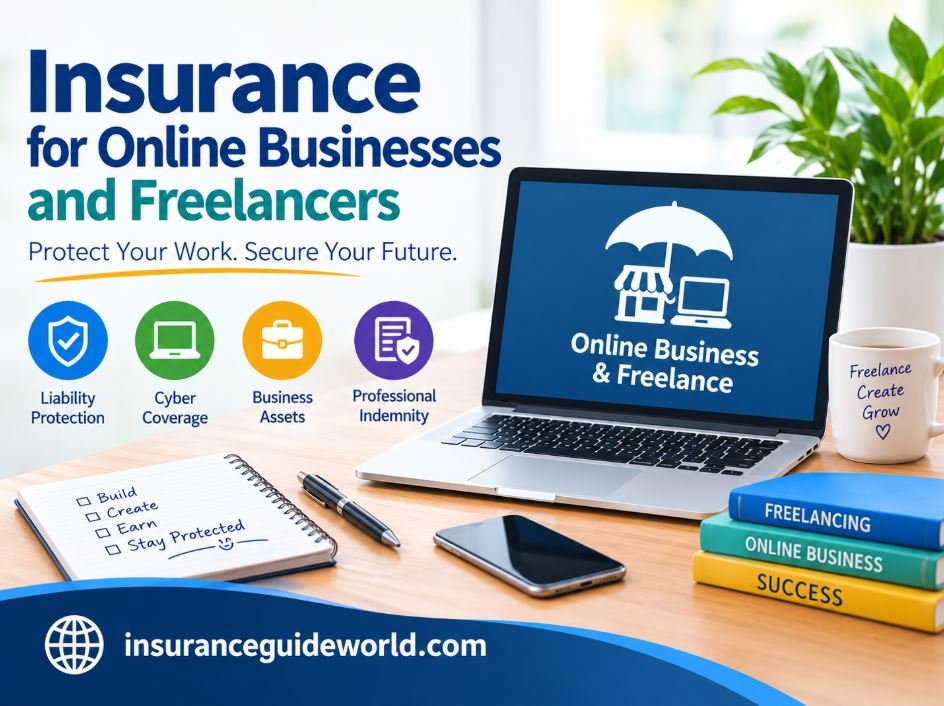
Insurance for online businesses and freelancers: The internet lets countless freelancers and remote workers thrive—running online shops, selling ideas, giving advice, building content platforms, or handling digital projects. Even though working online is often low-cost, adaptable, and can grow fast, there are hidden dangers that lots don’t think about. Things like hacking attempts, arguments with clients, or leaks of private info mean web-based hustlers should get coverage built for their type of grind.
In 2026, working from home, starting online businesses, or offering services worldwide means protection matters way more now. If you design websites, sell on Amazon, run a YouTube channel, assist clients remotely, market digitally, give advice, consult, or operate an online shop – solid coverage keeps your earnings safe while helping protect how people see you. This full walkthrough covers what matters most when it comes to freelancer and online business protection – like policy kinds, pricing, pros, cons, and common questions that steer your choices.
What Is Business Insurance for Online Businesses & Freelancers?
Online business insurance helps digital workers avoid high costs if they get sued, face tech problems, mess up a job, lose client info, or can’t operate for some reason. Since remote freelancers use lots of software, manage private details, and serve customers across borders, regular policies don’t fit their needs.
Why Online Businesses & Freelancers Need Insurance in 2026
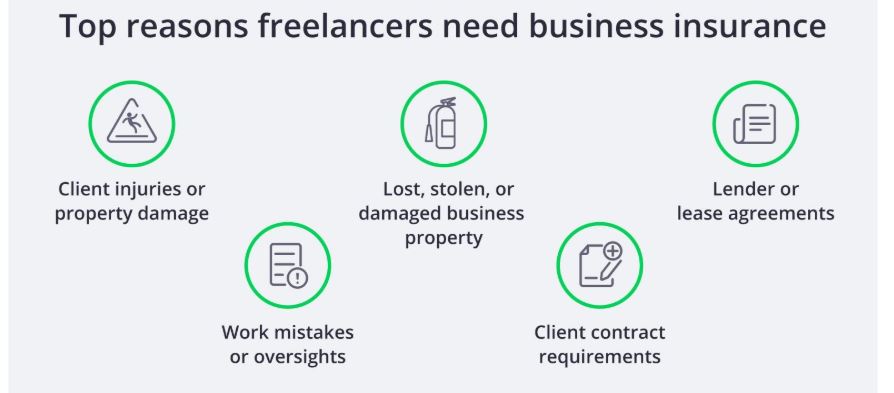
Digital workers deal with special dangers—ones that might stop earnings, hurt their name, or spark expensive lawsuits
- Cyberattacks, but also breached profiles
- Errors in outputs or when dates are skipped
- Arguments over agreements or issues with customers
- Data loss—or breaches of personal info
- Copyright issues
- Fraudulent chargebacks
- Faulty gadgets are messing up work deadlines
- Global client conflicts
A single slip-up—say, sharing the wrong document, saying it poorly, or even a site going down—might spark requests for money back or lawsuits. Insurance acts like a backup plan—helping solo workers and digital entrepreneurs keep moving forward without stressing over sudden setbacks.
Best Types of Insurance for Online Businesses & Freelancers
1. Professional Liability Insurance (Errors & Omissions)
This one matters more than anything if you work on your own—without it, things can go sideways real quick.
It covers:
- Mix-ups in what you do
- Missed deadlines
- Client dissatisfaction
- Negligence claims
- Contract disputes
If someone takes legal action over money they lost because of your services, this coverage has your back.
Fine for folks like online promoters, creators, scribblers, advisors, proofers, coders, number crunchers, mentors, as well as teams that run projects.
2. Cyber Liability Insurance
Keeps your company safe from:
- Hacking
- Stolen data
- Account breaches
- Ransomware
- Payment fraud
- Website attacks
Web-based companies use tech gadgets—therefore, internet protection matters most by next year.
3. General Liability Insurance
Covers:
- Third-party damage
- Personal injury claims
- Crashes when folks meet face-to-face
Great if you work alone and go meet people at their office, or have them come to yours instead.
4. Business Property & Equipment Insurance
Protects:
- Laptops
- Phones
- Cameras
- Hard drives
- Office furniture
- Recording equipment
Crucial if you make stuff, snap photos, shoot videos, or work from anywhere else.
5. Business Interruption Insurance
Covers lost earnings due to:
- Server outages
- Website crashes
- Payment processor issues
- Technical problems
- Natural disasters affecting your workspace
Ideal for online shops, subscription apps, or digital service sellers.
6. Commercial Auto Insurance
Freelancers who drive their own vehicle when working
- Deliveries
- On-site client work
- Transporting equipment
might require this protection.
7. Product Liability Insurance (for Online Sellers)
When you run an online store that sells actual products, here’s what it includes:
- Defective products
- Customer injuries
- Manufacturing issues
Amazon sellers, plus those on Walmart’s platform or Shopify—more folks need insurance these days. Not just suggested anymore, but pretty much expected across the board.
How Much Does Insurance for Online Businesses Cost?
Prices change based on job type, earnings, or how risky you are—typical monthly rates look like this:
Insurance Type Monthly Cost
Professional Liability $20–$60
Cyber Liability $15–$40
General Liability $25–$50
Business Property $10–$35
Product Liability $40–$100
Business Interruption $10–$30 Many freelancers spend $30 to $80 each month—online companies usually pay more, between $50 and $150, based on what they need covered.
Pros & Cons of Insurance for Online Businesses and Freelancers
Pros
Shields you if customers sue or ask for money back
Covers cyber attacks—also tackles online fraud
Buys respect while winning client confidence
✔ Helps freelancers win higher-paying contracts
Keeps gadgets such as notebooks or photo gear safe
Keeps money flowing when tech issues hit
Needed if you’re selling on sites like Amazon or working with certain big companies
Cons
Fees might go up if your business is seen as risky
One policy might not cover everything you need
abroad. Not every policy works for people from abroad. Claims might need proof—plus they take a while to sort out.
Conclusion

Insurance for online businesses and freelancers for online workers isn’t extra—it’s essential. As the internet changes in 2026, staying safe from money troubles, lawsuits, or hacking matters more than ever. Whether it’s error claims, data breaches, gear damage, or issues with what you sell, proper protection keeps your work on track without surprise setbacks.
If you work solo from your couch or run a web-based shop worldwide, coverage gives peace of mind while building trust with customers and keeping things steady down the road. Shield your earnings, how people see you, and also what’s ahead, since online, just one slipup or hacked account might set you back big time.
FAQs
1. Do freelancers really need business insurance?
Yes. Tiny errors—or when clients get things wrong—might end up in lawsuits. This coverage guards your earnings and how people see you.
2. What is the most important insurance for online businesses?
Folks in online jobs need protection when things go sideways—this kind of coverage steps in if someone sues over errors or oversights. It helps handle messy situations that pop up while doing tech-based tasks.
3. Is cyber insurance worth it for freelancers?
Absolutely. Those who work solo often get hit by hackers—so having cyber coverage helps when systems get breached or info goes missing. Instead of facing high costs alone, they’ve got a safety net if accounts are hijacked or files vanish.
4. How much does online business insurance cost?
Many freelancers shell out $30 to $80 each month, whereas digital ventures usually spend between $50 and $150—costs shift based on job type and how risky it is.
5. Does insurance cover damaged laptops or equipment? Yes. If your laptop, camera, or gear gets broken, taken, or misplaced, business property coverage helps pay for it – so long as it’s used for work.