
Smart home discounts on insurance 2026 aren’t just fancy extras anymore—they’re helping people cut insurance bills. By 2026, lots of insurers will give perks to those using gadgets that lower danger, avoid harm, or boost safety at home. Because of this, folks might knock off between 5% and 30% from their monthly payments. While some systems cost cash upfront, they often pay for themselves after a while. Instead of guessing what works best, checking with your provider helps find which tech gives real savings.
Smart smoke alarms, water sensors, or even AI cameras—insurers now see that these gadgets can stop problems early. Here’s a look at how home tech cuts costs on insurance. You’ll find what gear saves you the most cash. It also shows ways to lower your monthly bill by 2026. Simple tweaks, real savings—no hype.

What Are Smart Home Discounts on Insurance?
Some insurers cut costs if you set up gadgets that guard against fires, break-ins, leaks, or harm to your house. They charge less when your place is tougher to damage—since fewer accidents mean they pay out less.
Popular types of gadgets that can unlock savings are things like
1. Smart Security Systems
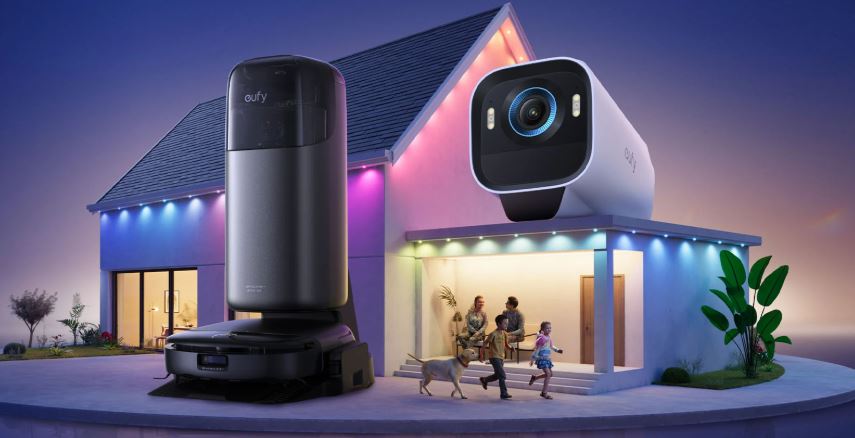
These setups spot odd behavior and stop intruders by blocking access while sending immediate alerts to responders. Tools involved could be:
- Smart doorbell cameras
- Motion sensors
- Smart locks
- AI-based surveillance systems
2. Smart Fire & Smoke Detection
Smart fire alarms cut disaster risks by alerting you fast through your phone or emergency teams. Some insurance firms slash prices when you install the
- Smart smoke detectors
- Intelligent devices that sense carbon monoxide
- Fire suppression systems
3. Smart Water Leak & Flood Sensors
Water damage is one of the most common insurance claims. But leak detectors act quickly, stopping flow by closing valves ahead of major spills.
4. Smart Thermostats & HVAC Monitoring
These systems are safe from mold, burst pipes, or electrical spikes—problems that usually end in claims.
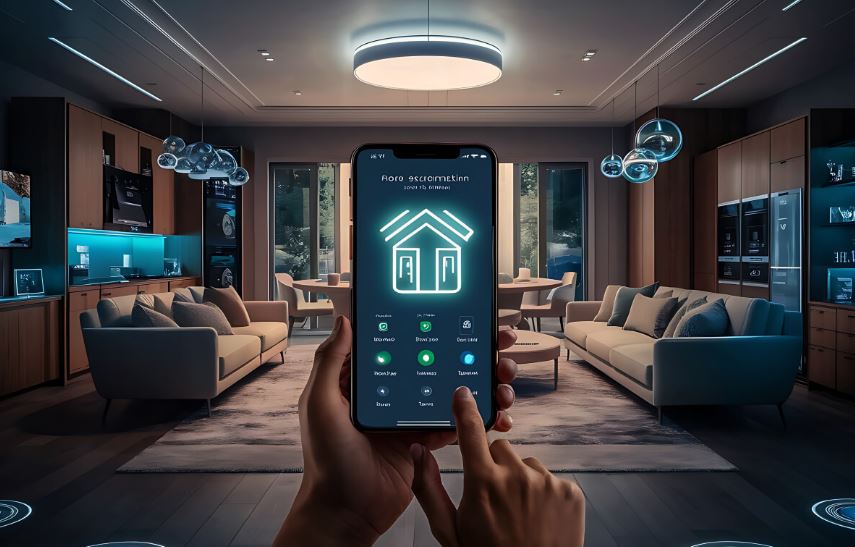
5. Whole-Home Smart Automation
These systems work better together, boosting home security while cutting power use—also stopping false alarms before they start.
How Smart Devices Lower Insurance Premiums
Insurance companies reward smart home technology for these reasons:
1. Lower Risk of Claims
Smart devices make sure to stop issues like fires, intruders, or leaks from turning into major problems.
2. Real-Time Monitoring
Watching things nonstop helps catch problems fast, so fixes happen sooner, which means less harm overall.
3. Verified Protection
Most insurance companies offer added savings when gadgets are monitored by pros – it shows your place stays safe all the time.
4. Enhanced Property Value
A few clever changes cut danger while boosting how well your house runs over time.
5. Reduced Liability
Smart alarms keep intruders out, reduce accidents involving visitors, or lower risks tied to home damage.
Top Smart Devices That Offer the Highest Insurance Discounts in 2026
1. Smart Home Security Systems
Hold onto about ten percent—or possibly as much as fifteen—out of each hundred popular devices: Ring, Nest, ADT Smart Home, SimpliSafe
2. Smart Smoke & Fire Detection Systems
Keep about 5 to 10%—could be slightly higher. Popular devices: Nest Protect, First Alert Onelink
3. Water Leakage Sensor Automatic Shut-Off Systems
Saving you roughly 10–20%, based on what’s available at the time. Popular devices: Flo by Moen, Phyn Smart Water Sensor
4. Smart Locks & Entry Sensors
Keep almost 5% extra when you reduce theft—shield your stuff, dodge sudden hits, and gain peace of mind step by step
5. Smart Thermostats
Keep temps steady—slash bills by roughly 4 percent when pipes don’t freeze or spaces overheat

Pros and Cons of Smart Home Insurance Discounts
Pros
- Cheaper rates: Save between 5% and 30%, based on gear and provider
- Better home safety: cuts down chances of fires, break-ins, also leaks
- Pings right away: Quick warnings stop expensive messes before they grow
- Higher property worth: Homes feel newer and work better with clever tech setups—so they’re often priced higher. Systems that save energy also catch buyers’ eyes, boosting appeal without extra effort from owners
- Peace of mind comes from steady checks—they keep things safe while making life easier
Cons
- Smart gadgets might cost a lot at first to buy or set up
- Recurring payments: A few setups charge a fee every month for oversight
- Older houses might not work well with new tech unless they’re updated—so changes could be needed. Some wiring or parts just aren’t built for today’s gadgets, meaning fixes before anything connects right
- Privacy issues pop up when security cams gather private info – since sensors track what people do without asking first
- Uneven discounts: some insurers offer bigger cuts; others don’t save you much at all
Conclusion
Home insurance deals tied to smart tech are turning into a top way folks cut costs by 2026. Put in gadgets such as intelligent smoke alarms, water sensors, self-running safety setups, or AI tracking—your danger level drops, which means bigger savings over time.
With tech always changing, insurers are starting to reward homes that use smart devices. Pairing those updates with checking yearly deals or stacking discounts means lower bills without hassle.
If you’re after cheaper premiums or better protection at home, picking up some tech gadgets might just be your best move lately, since modern setups help cut risks while boosting how things run day-to-day.
FAQ
1. Do all insurance companies offer smart home discounts?
Many big insurance companies have these deals—though how much you save depends on who you pick or what gadget you own. Check several offers every time.
2. Which smart devices provide the biggest insurance savings?
Water leak sensors plus smart alarms can slash your bill—sometimes by nearly 20%. These gadgets work together to cut costs fast. No fluff, just real savings from linked safety tech around the home.
3. Do smart home devices really prevent insurance claims?
Yep. Spotting leaks, blazes, or intruders right away cuts down how bad things get—so big payouts happen less often.
4. Are professionally monitored systems better for discounts?
Yep. Most insurance companies cut bigger deals on alarms that have pro monitoring those setups tend to guard things better.
5. Is investing in smart home technology worth the cost?
Fair point—totally true this year. Cutting insurance costs and avoiding expensive repairs while boosting protection at home, and what it’s worth later.