Non-Owner Auto Insurance: If you only drive now and then but don’t have your own car, non-owner insurance could fit just right. When you often rent autos, use someone else’s ride, or grab one through a sharing app, this kind of coverage helps cover damages even if you’re not the owner. A lot of people learn about it too late—after an expensive crash or when they’re asked to show insurance for their job or to get their license back.
This full guide to non-owner auto insurance breaks down what’s covered, who benefits most, ways to find low prices, and how to pick a solid company. Great for independent workers, people using ride apps, those living in cities, or anyone needing budget-friendly protection now that owning a car isn’t required.
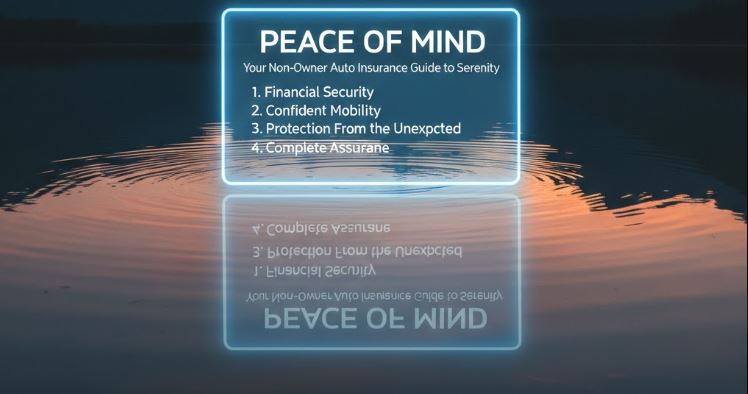
What Is Non-Owner Auto Insurance?
Non-owner car coverage protects you if you’re driving someone else’s vehicle. Not like regular insurance—it won’t fix the car you were using. However, it helps pay when you hurt someone or mess up their stuff in a crash.
This kind of plan works best for:
- People who often borrow vehicles
- Those borrowing vehicles from pals or relatives
- Folks living in cities without their own vehicle yet hop behind the wheel now and then
- Folks looking to get their license back after a suspension might need an insurance verification document
- Gig folks who drive shared vehicles
- Drivers delivering stuff in rented cars now and then
Non-owner coverage sticks with the person behind the wheel instead of the car, so it’s handy when you only drive once in a while. This kind of policy usually costs less since it’s built for irregular use.
How Non-Owner Auto Insurance Works
Non-owner policies typically include:
- Bodily Injury Liability
- Property Damage Liability
- Uninsured/Underinsured Motorist Protection
- Optional Medical Payments coverage
What it does not include:
- Collision coverage
- Comprehensive coverage
- Personal property protection
- Coverage applies to cars that people in your home own
Every time you take someone else’s car for a ride, their insurance kicks in first. If that runs out, your own non-owner plan steps up – kicking in right after.
Who Should Consider Non-Owner Auto Insurance?
Non-owner insurance is ideal for people who:
1. Drive Occasionally
You might skip comprehensive coverage when using your car just once in a while.
2. Rent Cars Frequently
Rental car protection comes built-in—so you skip expensive extras.
3. Need SR-22 or FR-44 Filings
Courts might ask for coverage details—say, when you’re just borrowing a vehicle or riding with someone else.
4. Use Car-Sharing Services
Turo and Zipcar, and also Getaround riders, usually want extra coverage.
5. Want Continuous Insurance Coverage
Skipping lapses in protection helps lower what you’ll pay later – because staying covered matters.

Pros & Cons of Non-Owner Auto Insurance
Pros
1. Affordable
Non-owner plans cost way less compared to regular car insurance—perfect if you don’t drive much.
2. Protects You Legally
Keeps you covered if something goes wrong while driving a car you’re using temporarily.
3. Helps Maintain Continuous Coverage
Staying insured all the time stops companies from seeing you as risky.
4. Great for Renters
Covers rental car damage, so you skip pricey add-ons from the rental place.
5. Required for License Reinstatement
Courts sometimes allow SR-22 filings from people who don’t own the vehicle.
Cons
1. No Coverage for the Vehicle You’re Driving
You’re on the hook if anything happens to the car you took out – whether it’s a rental or borrowed one. Damage costs fall on you, no exceptions.
2. Not Available to Everyone
Some insurance companies don’t provide coverage for people with risky driving records if they don’t own a car.
3. Doesn’t Apply to Cars in Your Household
You can’t use it to insure cars that belong to others in your home.
4. Limited Coverage Options
No full coverage, no crash protection, and no safeguard for your belongings.
5. Secondary Coverage Only
It kicks in once the owner’s insurance has settled.
How to Get Cheap Non-Owner Auto Insurance
If you’re searching to keep your premiums low, consider the following:
- Look at around half a dozen offers
- Find out from insurance companies if you can get lower rates for driving safely
- Sign up for telematics or pay-how-you-drive plans
- Maintain a record of driving history
- Avoid insurance gaps
- Get it together with renters’ coverage or go side-by-side with home insurance
- Select coverage levels fitting your wallet—go with what suits your cash flow
Popular companies that provide car coverage for people who don’t own a vehicle are GEICO and State Farm (Progressive also offers it). Nationwide gives similar plans, while Travelers joins the list, too.
Conclusion
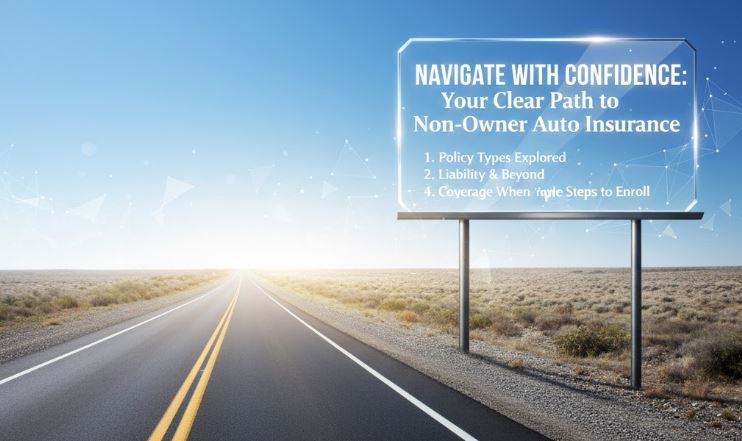
Drivers without a car still face risks—this coverage steps in when they do. If you’re renting rides now and then, using someone else’s vehicle, or stuck needing an SR-22 filing, it keeps you covered by law. As more folks turn to shared vehicles or short-term rentals, this option offers solid backup without high costs. Simple plans adjust easily, fitting how people actually move around today.
Compare prices, know what’s not covered, and also pick trustworthy companies—this way you’ll get solid non-car-owner insurance without wasting cash. Staying protected when you don’t own a vehicle? This is how it works.
FAQs
1. Who needs non-owner auto insurance?
People renting or taking borrowed vehicles often gain the biggest advantage from this coverage—especially if they must meet SR-22 requirements.
2. Does non-owner insurance cover rental cars?
Yep. This covers damage if you rent a car, so you skip those pricey add-on plans at pickup.
3. Is non-owner auto insurance cheap?
Usually, that’s right because you’re not covering an actual car; the cost is way less compared to standard car insurance.
4. Can I use non-owner insurance for a car owned by someone I live with?
No—it won’t include cars at home since insurers figure those should have their own standard car insurance.
5. Will non-owner coverage meet SR-22 requirements?
Yep. Lots of insurance companies provide SR-22 coverage for people without a car, especially if you need your license back after it got suspended.