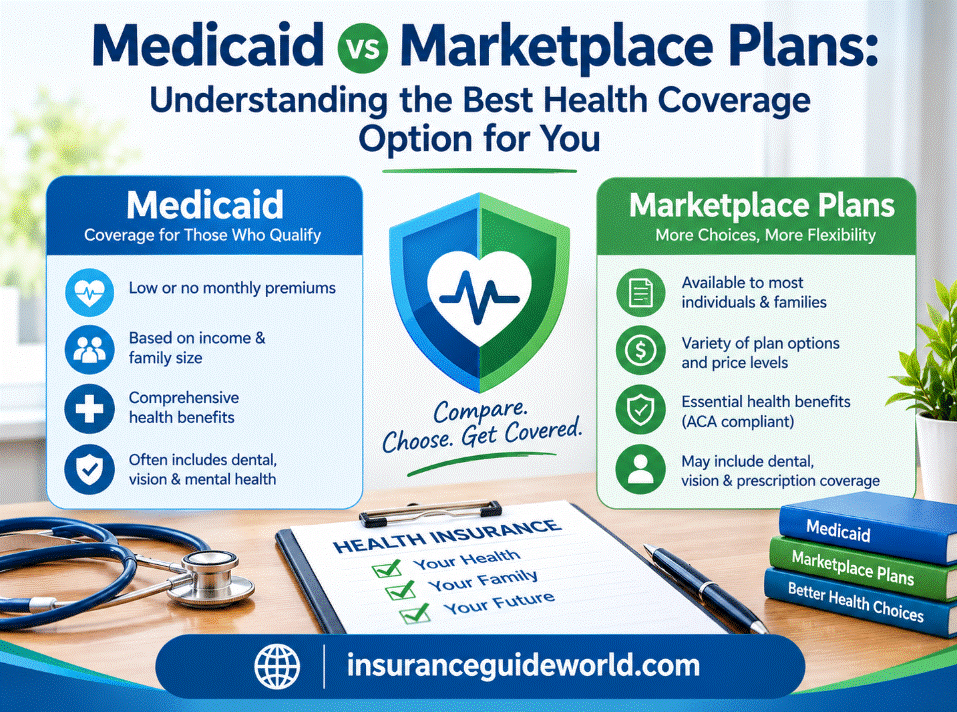
Medicaid vs Marketplace Plans are Figuring out the right health plan might seem tough—especially when weighing Medicaid against Marketplace choices. These two provide core medical protection, yet don’t match up when it comes to who qualifies, how much you pay, or what’s covered. If money’s tight, if you’re supporting kids on a budget, or if work-related insurance just ended, knowing how Medicaid stacks up next to Marketplace policies makes picking easier. This full walkthrough sorts out the main contrasts, upsides, and downsides, and also answers common questions—so you can pick a plan fitting your health care and budget goals.

What Is Medicaid?
Medicaid offers health coverage through both state and federal funding—mainly for those with limited income. It helps folks like kids, expecting moms, older adults, or people living with disabilities. Qualifying depends on how much you earn, who’s in your household, plus local regulations that differ by area. Some regions now cover more residents after broadening access under updated policies.
Key Features of Medicaid
- Little to no cost each month
- Low-cost or free healthcare helps
- Comprehensive essential benefits
What Are Marketplace Plans?
Marketplace choices—also known as ACA or Obamacare—are private insurance plans available via HealthCare.gov or your local state hub. These plans are split into tiers such as Bronze, Silver, Gold, and Platinum, where coverage changes per level. Your income could lower what you pay because of subsidies or cost assistance. While earnings matter, savings aren’t automatic—they depend on specific limits.
Key Features of Marketplace Plans
- Fees set by personal coverage providers
- Each month, you pay a set fee—the price depends on your plan level—plus how much you earn
- Funding help can lower expenses
- More flexible options than Medicaid
Medicaid vs Marketplace Plans: Key Differences
1. Eligibility
- Medicaid: Mainly about how much you earn. Whether you qualify hinges on where you live—rules change by state.
- Marketplace: Available to all folks. Get help with costs when earnings stay under set levels.
2. Cost
- Medicaid: Often no cost – or just a few bucks if anything.
- Marketplace: Prices change from person to person. Some folks get help paying, which cuts what they owe each month.
3. Coverage
One gives key health perks like check-ups, staying in a hospital, or getting meds filled—while the other covers similar basics too.
Still, Medicaid might cover some things better – like ongoing care or emotional well-being—or help during pregnancy
4. Providers
- Medicaid networks can be limited in some areas.
- Marketplace plans often offer larger provider networks.
5. Enrollment Period
- Medicaid: Available year-round.
- Marketplace plans: Available only during open enrollment or with a special enrollment period.

Pros and Cons of Medicaid
Pros
- Super cheap—or totally free
- Comprehensive coverage
- Available year-round
- Great for people on a tight budget or those needing extra help
- Extra perks in several areas—like eye care, teeth services, or rides when you’re not rushed
Cons
- Some providers may not accept Medicaid
- Coverage changes from one state to another
- Longer approval times
- Limited plan flexibility
Pros and Cons of Marketplace Plans
Pros
- A broad range of options with different carriers
- Support payments lower what you pay each month
- Adaptable to fit your unique health goals
- Reliable rules that apply across the whole country
- Fine for freelancers—also great for households
Cons
- Costs might add up if there’s no financial help
- Deductibles could be steep
- Sign-ups open at set times
- Tricky setups for newbies
Conclusion
Medicaid and Marketplace plans aren’t easy to choose between—it really comes down to how much you earn, what kind of care you need, or if having more control matters. If money’s tight and you want little or no cost coverage, Medicaid might fit best. On the flip side, marketplace options give more freedom in picking doctors or tailoring benefits, especially when you make too much for Medicaid yet still want a budget-friendly option. Pause a moment—look at each choice closely, so your loved ones get solid health care plus smart money coverage.

FAQs
1. Which is better—Medicaid vs Marketplace Plans?
Answer: There is no perfect solution. For low-income people who meet the criteria, Medicaid is superior since it provides complementary or low-cost coverage. People who require customized solutions with subsidies benefit from marketplace plans.
2. Can I have Medicaid and a Marketplace plan together?
Answer: You are not eligible for Marketplace premium subsidies if you qualify for Medicaid. Most individuals only continue Medicaid since it is often less expensive.
3. What happens if my income changes during the year?
Answer: Should your income rise, you may no longer qualify for Medicaid and have to change to a Marketplace plan. You might become eligible for Medicaid any time if your earnings fall.
4. Do Marketplace plans cover more services than Medicaid?
Answer: Marketplace plans and Medicaid both cover essential health benefits. However, Medicaid often includes added services like long-term care and transportation.
5. How do I know if I qualify for Medicaid?
Answer: Eligibility is based on household income and state rules. Many states use Modified Adjusted Gross Income (MAGI) to determine if you meet the income limits.